
There’s something oddly overlooked about water in most businesses. It’s always there—running quietly in the background, filling glasses, cooling machines, cleaning surfaces. But rarely do people stop and ask, “Is this water actually helping my business… or quietly hurting it?”
I’ve seen small cafés struggle with inconsistent coffee taste, factories dealing with scaling issues, even offices where employees complain about odd smells from taps. And almost always, it traces back to one thing: water quality that was never properly addressed.
That’s where things start to get interesting.
Water Isn’t Just Water in a Business Setting
At home, you might tolerate a bit of hardness or a slight chlorine smell. In a business, though, those small issues tend to multiply. They affect equipment lifespan, product quality, and sometimes even customer perception.
Think about it. If you’re running a restaurant and your ice tastes off, customers notice—even if they can’t quite explain why. Or if you’re managing a manufacturing unit, mineral deposits can slowly damage expensive machinery, leading to unexpected downtime.
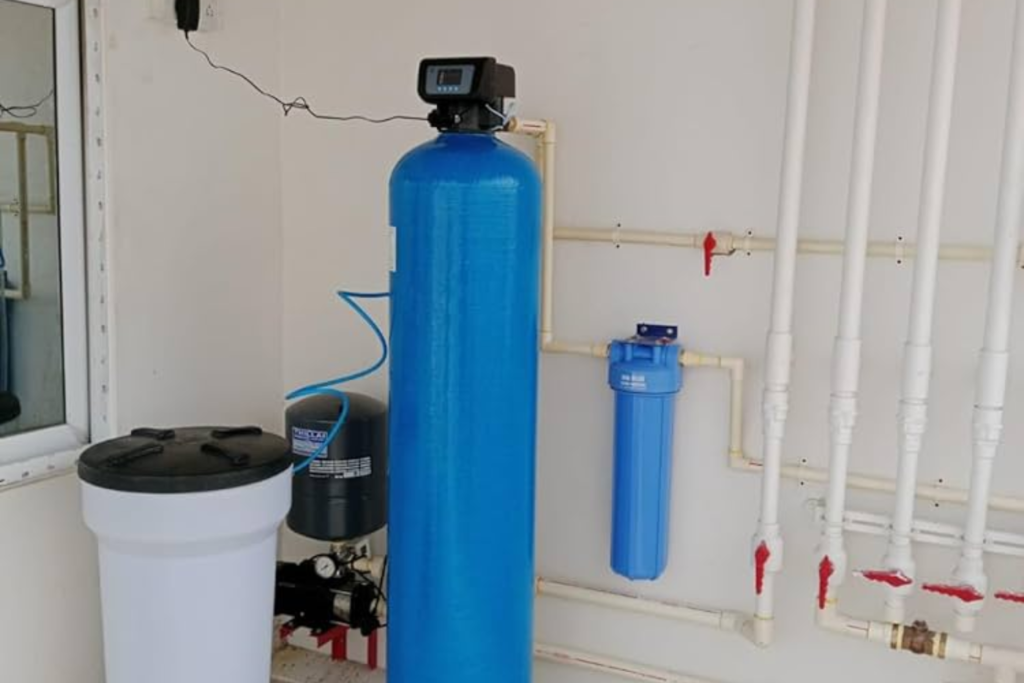
That’s why more businesses are quietly investing in commercial water filtration—not because it sounds impressive, but because it solves real, day-to-day problems.
And once installed, the difference isn’t dramatic overnight. It’s subtle. Equipment runs smoother. Cleaning becomes easier. Products feel more consistent. It’s the kind of improvement you notice more in hindsight.
The Hidden Cost of Ignoring Water Quality
Here’s the thing most people don’t calculate: poor water doesn’t just cause inconvenience—it costs money.
Scale buildup in pipes and boilers increases energy consumption. Filters clog faster. Maintenance calls become more frequent. And sometimes, entire systems need replacement sooner than expected.
In industries like hospitality or food processing, poor water can even affect compliance standards. That’s not just a technical issue—it’s a business risk.
So when we talk about business water quality, we’re really talking about efficiency, reliability, and reputation all bundled into one.
And honestly, it’s surprising how often this gets pushed down the priority list until something breaks.
Different Businesses, Different Water Needs
Not every business needs the same setup. A small office might benefit from basic filtration and softening, while a textile plant or pharmaceutical unit requires something far more advanced.
I remember visiting a mid-sized laundry service once. They had been dealing with stiff fabrics and higher detergent usage for months. Turned out, hard water was the culprit. A tailored system fixed it—not overnight, but steadily.
That’s the thing with water systems. There’s no one-size-fits-all approach. You have to consider:
- Water source (municipal, borewell, mixed supply)
- Type of contaminants (minerals, chlorine, bacteria)
- Usage (drinking, cleaning, production)
Only then does a solution start to make sense.
Where Industrial Systems Come Into Play
For larger operations, the stakes are even higher. Manufacturing plants, food production units, and healthcare facilities rely heavily on consistent, high-quality water.
This is where industrial systems step in—built not just to filter, but to handle volume, pressure, and precision. These systems often combine multiple stages: sediment filtration, reverse osmosis, UV treatment, and sometimes even chemical dosing.
It sounds complex—and it is—but the goal is simple: control.
Control over what goes into your processes, your products, and ultimately, your output.
And once you have that control, everything else becomes easier to manage.
It’s Not Just About Machines—It’s About People Too
We tend to think of water systems as purely technical. Pipes, filters, tanks—end of story. But there’s a human side to this as well.
Employees drink this water. They use it every day. Clean, good-tasting water can actually improve workplace satisfaction in small but meaningful ways.
It’s a bit like lighting or air conditioning—you don’t always notice when it’s good, but you definitely notice when it’s bad.
Customers, too, pick up on these things. Whether it’s the clarity of a beverage, the cleanliness of dishes, or even the feel of a washed product—water plays a quiet but important role.
Maintenance: The Part Nobody Talks About
Let’s be honest—installing a system is the easy part. Maintaining it? That’s where most businesses slip.
Filters need replacing. Membranes wear out. Systems need occasional checks to ensure they’re still doing what they’re supposed to.
Skipping maintenance is like buying a car and never servicing it. It might run fine for a while, but eventually, something gives.
The good news is, modern systems are becoming smarter. Some even come with monitoring features that alert you when something needs attention. Still, a bit of regular care goes a long way.
A Quiet Investment That Pays Off Over Time
If there’s one thing I’ve noticed, it’s that water improvements rarely feel urgent—until they are.
But when done right, they tend to pay off in ways that aren’t always obvious at first. Lower maintenance costs, longer equipment life, better product consistency, happier customers… it all adds up.
And maybe that’s the best way to think about it. Not as an expense, but as a quiet upgrade to how your business runs behind the scenes.
Closing Thoughts
Water doesn’t demand attention. It doesn’t flash warnings or send reminders. It just keeps flowing, doing its job—until something goes wrong.
Taking a step back and evaluating your water setup might not feel like a big move. But sometimes, the smallest changes create the biggest ripple effects.
And in business, those ripples matter more than we realize.