
We spend a lot of time thinking about what we eat. We check ingredient labels, compare brands, debate organic versus conventional. But water? The thing we cook with, bathe in, wash our clothes in, and drink every single day? That usually gets a free pass.
It’s funny, really. Water is everywhere in our homes, quietly moving through pipes behind walls, filling appliances, rinsing plates, steaming in showers. And yet it’s often overlooked until something goes wrong—an odd taste, chalky residue, dry skin after a shower.
That’s when the question hits: Is our water actually as good as it should be?
Why Water Quality Matters More Than We Realize
Water isn’t just for drinking. It affects nearly every surface in your home. Hard water can leave scale inside water heaters. Chlorine can alter taste and odor. Sediment may clog fixtures over time. Even small mineral imbalances can show up as dull laundry or spotty glassware.
More importantly, the water running through your home impacts your daily comfort. Softer showers. Cleaner dishes. Better-tasting coffee. These aren’t luxuries—they’re small quality-of-life upgrades that add up over time.
When people talk about improving indoor air or switching to healthier foods, they’re thinking about long-term wellness. The same mindset applies to healthy home water. It’s not about chasing perfection. It’s about creating an environment where the basics work in your favor instead of against you.
And water is pretty basic.
The First Step: Understanding What’s in Your Water
Before installing anything—filters, softeners, advanced systems—it makes sense to understand what you’re working with.
Water quality varies dramatically from one area to another. Some regions struggle with hardness. Others deal with chlorine levels or sediment after heavy rain. Well water brings its own unique variables.
Testing provides clarity. Instead of guessing based on taste or appearance, you get measurable data. Hardness readings. pH balance. Dissolved solids. Chlorine presence.
Armed with that information, decisions feel less overwhelming. You’re not reacting to vague concerns. You’re responding to actual conditions.
Sometimes the solution is simple. Other times, it requires layered filtration. But clarity always comes first.
Choosing Systems That Work Quietly in the Background
The best water systems are the ones you forget about.
Not because they’re unimportant—but because they’re doing their job without drama. Good systems operate steadily, day after day, maintaining dependable performance without constant adjustments.
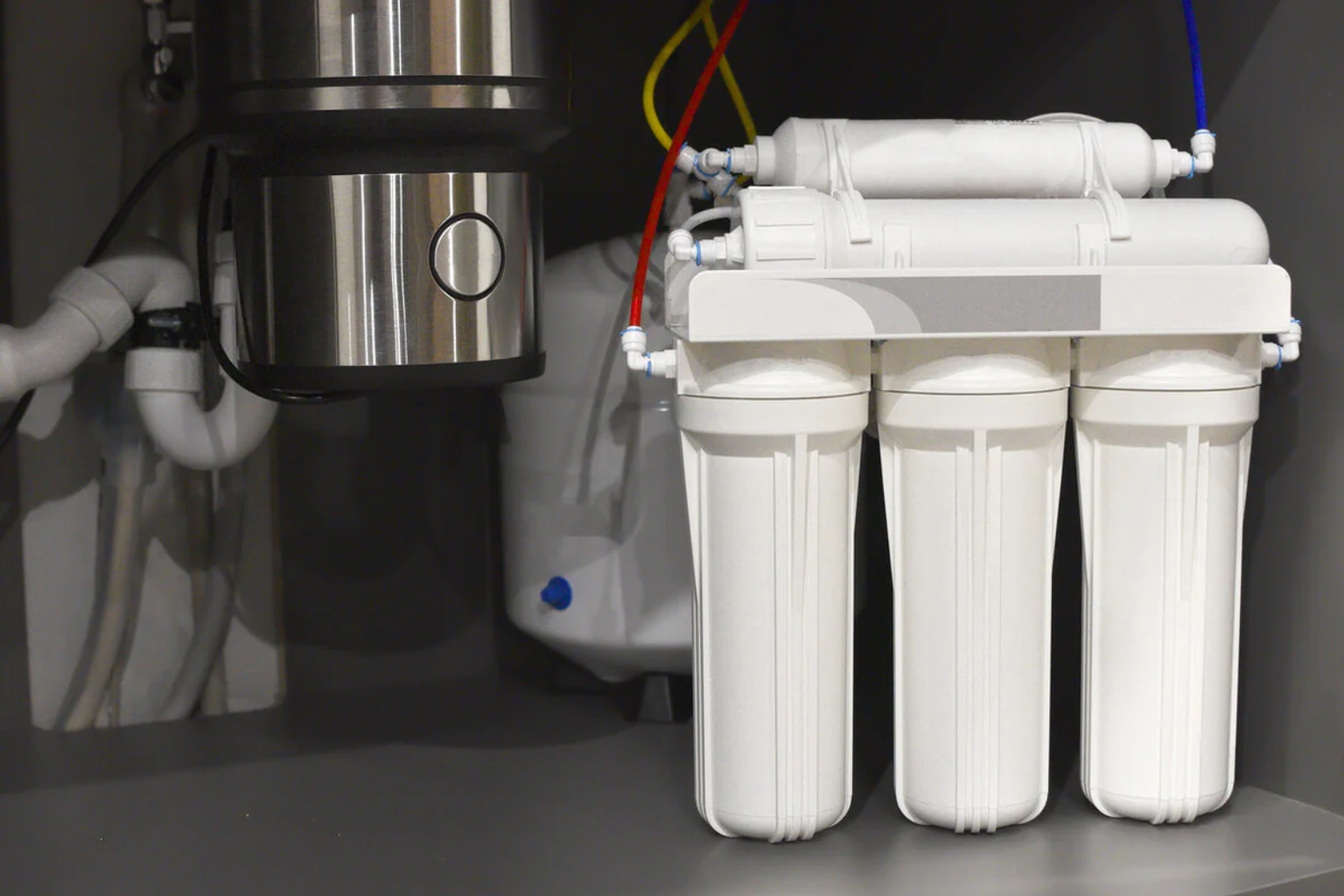
Modern units are smarter than ever. Many include digital monitoring, efficient regeneration cycles, and targeted filtration stages that focus only on the impurities present in your water. That precision matters.
Oversized or unnecessary systems can waste water and energy. Undersized systems struggle to keep up. The sweet spot lies in matching the solution to your household’s specific needs.
And when it’s done right, you barely notice it’s there.
Maintenance Is Less Intimidating Than You Think
A common concern is maintenance. People imagine complex procedures, frequent service calls, or complicated instructions.
In reality, most water systems require predictable, manageable upkeep. Replace filters on schedule. Refill salt if you have a softener. Schedule periodic inspections to ensure valves and seals are functioning properly.
That’s it.
Routine care keeps systems running at peak efficiency, preventing the slow decline that can occur when maintenance is ignored. It’s a little like maintaining your car. Stay ahead of small issues, and you avoid larger ones later.
The key is consistency, not complexity.
The Ripple Effect on Appliances and Plumbing
Clean, balanced water doesn’t just feel better—it protects your investment.
Scale buildup inside water heaters reduces efficiency. Mineral deposits in pipes can restrict flow over time. Even washing machines and dishwashers perform better when water quality is optimized.
When hardness is managed and sediment is filtered out, appliances experience less strain. Heating elements stay cleaner. Soap lathers more effectively. You may even notice lower energy usage because systems don’t have to work as hard.
It’s a ripple effect. Better water quietly supports the entire infrastructure of your home.
Emotional Peace of Mind
Beyond mechanics and measurements, there’s an emotional component that often gets overlooked.
When you trust your water, daily life feels easier.
You fill a glass straight from the tap without hesitation. You cook pasta without wondering what’s lingering in the water. Guests don’t get bottled water by default—they get the same water you drink every day.
There’s comfort in that.
Water becomes invisible again, in the best possible way.
Avoiding the All-or-Nothing Mentality
Not every home needs a top-tier, multi-stage filtration system. And not every region struggles with the same challenges.
Sometimes a basic carbon filter is enough. Sometimes a softener makes the biggest difference. Occasionally, a combination approach delivers the best outcome.
The point isn’t to install everything. It’s to install what makes sense.
Thoughtful planning saves money, reduces maintenance, and delivers results that actually align with your goals.
Final Thoughts
Water flows through your home constantly, shaping daily routines in ways that are easy to overlook.
By prioritizing healthy home water, selecting systems built for dependable performance, and maintaining them for peak efficiency, you’re not just upgrading equipment—you’re enhancing the everyday experience of living in your space.
And the beauty of it is this: once it’s done right, you stop thinking about it.
Water goes back to being simple. Reliable. Ordinary.
Which, honestly, is exactly how it should be.
Tags: healthy home water