
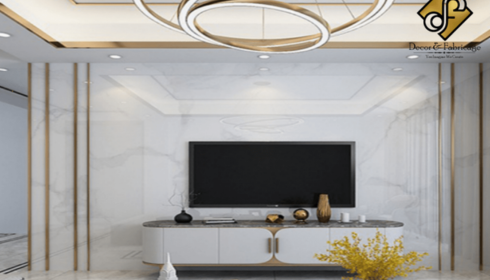
In today’s interior design landscape, subtle detailing often makes the biggest difference. From luxurious kitchens to contemporary office spaces, designers and homeowners are constantly seeking ways to integrate elegant finishes that reflect sophistication. Among the latest trends shaping modern interiors are pvd patti and T profile elements. These sleek, durable, and highly functional design components have become essential in achieving refined aesthetics and long-lasting utility.
What is PVD Patti?
PVD (Physical Vapor Deposition) patti refers to metallic strips coated with a thin film using the PVD process. This technique allows for precise deposition of materials onto the surface, producing a flawless and corrosion-resistant finish. Available in a wide variety of finishes such as rose gold, black, brass, and champagne, PVD pattis are both visually stunning and incredibly durable.
They are typically used for:
- Cabinet and wardrobe trims
- Partition details in walls or panels
- Floor inlays to divide tiles or wooden surfaces
- Decorative edges in mirrors, glass, or furniture
Thanks to their rust-proof and scratch-resistant properties, PVD pattis have become a designer’s best friend, especially in high-end residential and commercial spaces. They’re low maintenance, eco-friendly, and offer excellent color consistency over time.
Introduction to T Profile
The T profile is a versatile architectural component made from stainless steel, aluminum, or brass. As the name suggests, the cross-section of this profile resembles the letter “T”. These profiles are primarily used to join or separate surfaces—like tiles, marbles, and wooden flooring—while offering a clean and professional finish.
Key uses include:
- Seamless joints between two different flooring materials
- Wall panel transitions
- Creating defined borders in ceiling designs
- Edge finishing in wall cladding
T profiles are available in various widths, thicknesses, and finishes, making them adaptable to almost any design requirement. They’re easy to install, visually appealing, and functional, particularly where material expansion gaps need to be managed.
Aesthetic and Functional Advantages
The growing popularity of PVD patti and T profiles isn’t just about looks. These components serve both decorative and functional purposes:
- Visual Continuity: They provide seamless transitions that elevate the overall finish of the space.
- Durability: Stainless steel and PVD-coated options resist scratches, corrosion, and wear.
- Customization: Available in various finishes and sizes to match any design theme.
- Easy Maintenance: Both require minimal upkeep and retain their sheen over time.
- Installation Flexibility: Suitable for dry and wet applications, including kitchens, bathrooms, and living areas.
Whether you’re renovating a luxury hotel lobby or upgrading your home’s living room, the combination of these materials ensures a premium and professional touch.
Trends and Applications in Modern Interiors
Modern designers use these materials creatively to break away from traditional design elements. For instance, embedding PVD patti in walls and ceilings adds a metallic accent that contrasts beautifully with stone or matte finishes. In commercial showrooms or boutiques, T profiles serve as subtle dividers that enhance space without overwhelming it.
You’ll often find them used in:
- Modular kitchen designs
- Office partitions
- High-traffic commercial areas like malls and airports
- Showrooms and hospitality interiors
Final Thoughts
If you’re aiming for interiors that stand out for their finesse, integrating PVD patti and T profile elements is a smart choice. These products don’t just perform functionally—they add texture, elegance, and a contemporary edge to every design they touch.
Tags: pvd patti