
There’s a moment most homeowners hit eventually. You notice something small—maybe your dishes don’t look quite right, or your shower leaves your skin feeling oddly dry—and suddenly, you’re Googling water systems at midnight.
And then… chaos.
Tabs everywhere. Advice that contradicts itself. Words like “softener,” “filter,” “conditioning,” all blending into one confusing mess. You started with a simple question, and now you’re not even sure what you’re looking for anymore.
It happens more often than people admit.
When “Simple Water” Turns Into a Puzzle
Water feels like it should be straightforward. Turn the tap, use it, move on. But the moment something feels off, you realize how many variables are involved.
Taste, texture, mineral content, pressure—it’s all connected. And depending on where you live, your water can behave very differently from someone just a few streets away.
That’s why trying to copy someone else’s solution rarely works perfectly. Your water has its own personality, in a way. And figuring it out takes a bit of patience.
Why Online Research Feels So Overwhelming
Let’s be honest—most people start with search engines. You type in something like “best water system for home,” and suddenly you’re flooded with options.
This is where product guides come in. They’re meant to simplify things, but sometimes they do the opposite. One guide says one system is ideal, another recommends something completely different.
The truth is, guides are helpful—but only to a point. They give you a general idea, a starting place. But they don’t know your water, your home, or what you’re actually dealing with day to day.
So while they’re useful, they shouldn’t be your final decision-maker.
Understanding the Role of Water Softeners
At some point, you’ll come across water softeners. And depending on your situation, they might make a lot of sense.
If you’re dealing with hard water—those stubborn mineral deposits, dry skin, soap that won’t lather properly—then digging into some softener info can be eye-opening.
Softeners work by reducing minerals like calcium and magnesium. That’s it. No magic, no mystery.
But here’s the catch: they’re not a cure-all. They solve specific problems. If your issue is more about taste or contaminants, a softener alone might not get you where you want to go.
And that’s where things start branching out.
Filters, Systems, and All the In-Between Choices
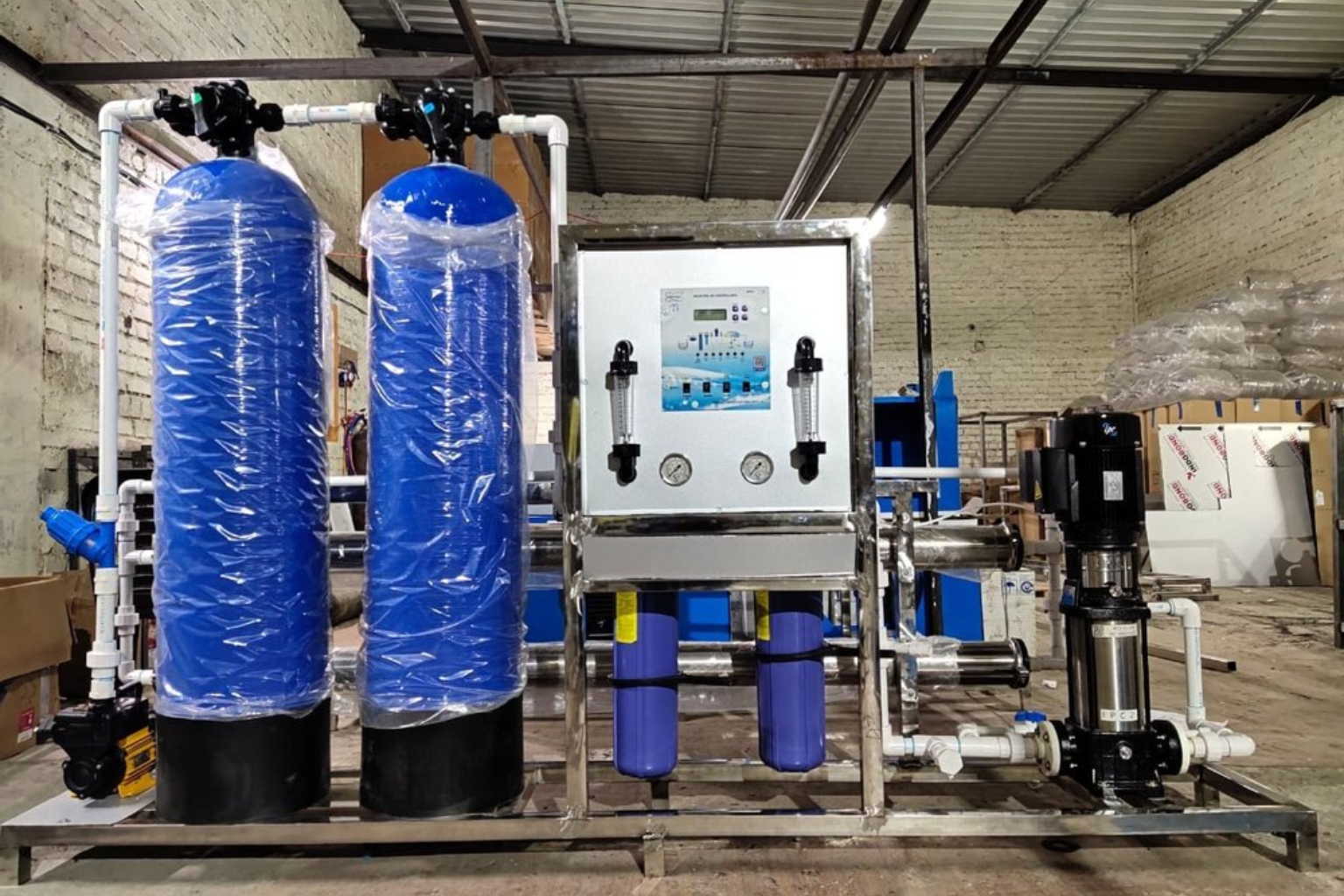
Once you move beyond softeners, you’ll find yourself looking at filters—lots of them. Under-sink systems, whole-home filtration, reverse osmosis setups… it’s a long list.
These filtration choices can feel overwhelming at first, but they all aim to do one thing: improve what’s in your water.
Some focus on removing chlorine for better taste. Others target sediments or specific contaminants. And some combine multiple functions into one system.
The key is not to get distracted by every option. Focus on what you actually need. What’s bothering you about your water? That’s your starting point.
Why Your Experience Matters More Than the Specs
It’s easy to get caught up in technical details—flow rates, filter types, system capacities. And yes, those things matter.
But they’re not the whole picture.
What really matters is how your water feels in your daily life. Does it make your routine easier? Does it solve the issues you’ve been dealing with?
Because at the end of the day, you’re not buying a system for its specifications. You’re choosing something that improves your everyday experience.
And that’s a more personal decision than most guides make it seem.
The Quiet Changes That Make the Biggest Difference
One thing people rarely mention is how subtle the benefits can be.
There’s no dramatic moment where everything suddenly feels perfect. Instead, it’s a series of small changes.
Your dishes come out cleaner. Your shower feels more comfortable. Your water tastes… neutral, in a good way.
And slowly, those small improvements add up.
You stop thinking about your water altogether.
Which, ironically, is the goal.
Avoiding the Trap of Overthinking Everything
It’s surprisingly easy to get stuck in research mode. Reading more, comparing more, trying to find that one perfect answer.
But sometimes, that just leads to decision fatigue.
At some point, you have to step back and ask yourself: what am I actually trying to fix?
Once you answer that, the path forward becomes clearer. You don’t need every feature. You don’t need the most advanced setup.
You just need something that works.
A More Practical Way to Approach It
If you’re starting from scratch, keep it simple.
Pay attention to your water. Notice the patterns. Think about what’s bothering you the most.
Then, use that information to guide your choices—not the other way around.
Because the best system for your home isn’t the one that ranks highest in a guide. It’s the one that solves your specific problems without adding unnecessary complexity.
Final Thoughts: Finding Clarity in a Sea of Options
Water systems can feel complicated, especially when you’re just starting out. But they don’t have to be.
Strip away the noise, and it comes down to something simple: understanding your water and choosing a solution that fits your life.
Not perfect. Not over-engineered. Just right for you.
And when you get there—when your water feels clean, easy, and reliable—you’ll probably forget all about the research, the comparisons, the late-night Googling.
Because good water doesn’t demand attention.
It just quietly does its job.
Tags: product guides