
There’s a moment in many homes when things start to feel… tight. Not necessarily cluttered, not chaotic — just crowded in a way that didn’t exist a few years ago. Maybe it’s a growing family. Maybe it’s remote work. Maybe it’s simply that your life looks different now than it did when you first moved in.
You walk into the living room and realize there’s nowhere quiet to take a call. The kitchen table doubles as a workspace. The spare bedroom is no longer spare.
That’s usually when the conversation about space begins.
And no, it doesn’t always mean packing boxes and listing your house. Sometimes it means reimagining what you already have.
The Emotional Side of Growing Space
Before talking blueprints and budgets, it’s worth acknowledging something: expanding a home isn’t just a construction project. It’s emotional.
You chose this house for a reason. The neighborhood. The backyard. The memories in every corner. Uprooting isn’t always appealing.
That’s why well-planned room additions can feel like a compromise that actually works. You’re not leaving behind what you love — you’re adapting it.
Whether it’s a new primary suite, a sunroom, or a dedicated office, the goal isn’t just square footage. It’s breathing room.
But it’s important to start with clarity. What problem are you really trying to solve?
Defining the Real Need
Sometimes we think we need more space when what we really need is better organization. Other times, the need is genuine.
Are you lacking privacy? Storage? A functional workspace? A guest area that doesn’t require moving half the house around?
Understanding the purpose of the expansion helps guide smarter decisions. An extra bedroom has different requirements than a family room or studio.
A thoughtful home expansion should feel seamless — like it was always part of the original plan. That means matching exterior materials, rooflines, and interior flow.
It’s not just about adding space. It’s about preserving character.
Thinking Beyond Square Footage
Bigger doesn’t automatically mean better.
Adding space without considering how it connects to the rest of the home can create awkward transitions. You don’t want a new room that feels tacked on.
Flow matters.
Where will natural light come from? How will traffic move through the area? Does the addition block outdoor access or improve it?
Sometimes a modest addition — even 200 or 300 square feet — can dramatically change how the house functions. It’s not always about size. It’s about usability.
Budget Realities (Because They Matter)
Let’s be honest: expanding a home isn’t inexpensive.
Costs vary depending on structure, foundation, plumbing, and electrical needs. Building up (adding a second story) often costs more than building out, but it depends on the property.
Set realistic expectations early. Include a contingency fund. Unexpected structural adjustments or permit requirements can arise mid-project.
And don’t forget the ripple effects — new furniture, additional heating and cooling, updated landscaping.
Planning ahead doesn’t eliminate surprises, but it cushions the impact.
Living Through Construction
There’s no sugarcoating it — construction disrupts routine.
Dust travels. Noise lingers. Access points shift.
Preparing mentally makes it easier. Create temporary boundaries in the house. Keep daily essentials accessible. Maintain communication with contractors.
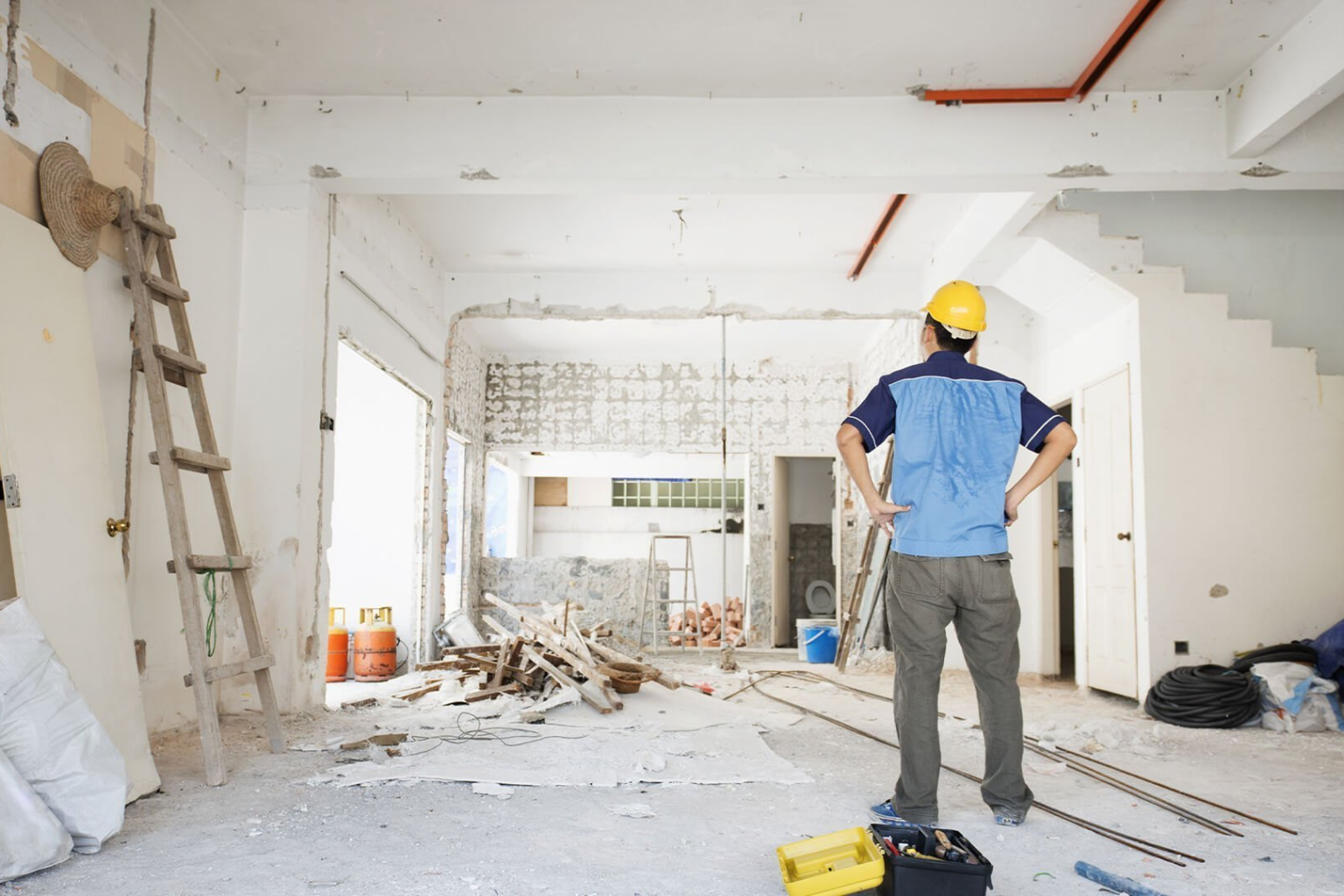
The middle phase — when walls are open and everything looks unfinished — tests patience. But progress often feels invisible until it suddenly comes together.
Trust the process.
Designing for Long-Term Comfort
When adding additional living space, think beyond immediate needs.
Will this room still serve you in five years? Ten?
Flexibility is powerful. A home office today could become a nursery tomorrow. A guest suite might later function as a rental unit or multigenerational space.
Consider storage from the beginning. Plan for electrical outlets in practical locations. Think about insulation and energy efficiency.
Future-proofing your design avoids regret.
Maintaining Cohesion
One common mistake in home expansions is forgetting to match interior details.
Flooring transitions. Ceiling heights. Trim styles. Even paint tones.
Subtle mismatches can make new spaces feel disconnected.
The best additions feel intentional — like they’ve always belonged.
Emotional Payoff
When the dust settles and the last coat of paint dries, something shifts.
The house feels lighter. Movement feels easier. There’s a new quiet corner for reading, a proper desk for work, a space that didn’t exist before.
You didn’t abandon the home you love.
You evolved it.
And that’s powerful.
Final Thoughts: Expanding with Purpose
More space isn’t always about luxury. Sometimes it’s about necessity. Sometimes it’s about quality of life.
Approach expansion thoughtfully. Define the real need. Plan carefully. Budget realistically. Design with the future in mind.
Because when an addition feels natural — when it enhances your routine instead of complicating it — the entire house feels renewed.
Not bigger for the sake of being bigger.
Just better for the life you’re living now.
Tags: room additions