
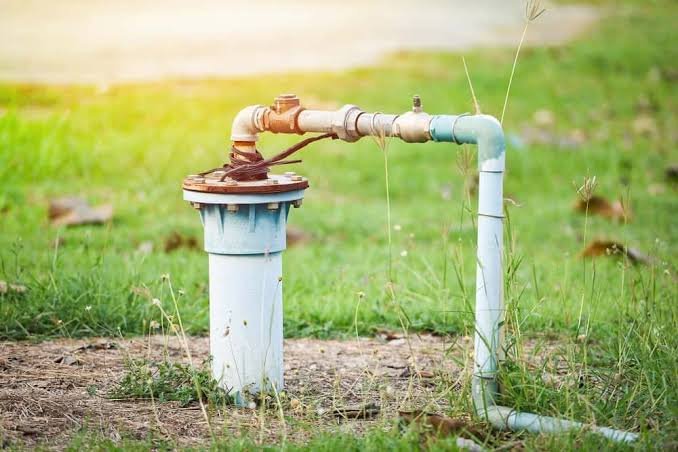
There’s something undeniably comforting about relying on your own well for water. It feels independent, a little self-sufficient, and often more natural than municipal supplies. But there’s another side to that story that many homeowners don’t think about until a strange smell, discoloration, or unexpected plumbing issue appears.
Unlike city water, well water isn’t monitored by a local utility. The responsibility falls entirely on the homeowner. That may sound overwhelming at first, but it really doesn’t have to be. A little awareness and regular maintenance can go a long way toward protecting your family’s health while extending the life of your home’s plumbing and appliances.
Every Well Has Its Own Personality
One of the biggest misconceptions about wells is that all groundwater is basically the same. In reality, two neighboring homes can have completely different water quality because of differences in soil, rock formations, groundwater movement, and even the depth of each well.
Some wells produce crystal-clear water with very few issues. Others may naturally contain excess iron, manganese, sulfur, calcium, or even bacteria after heavy rainfall. These differences explain why one-size-fits-all solutions rarely work.
That’s exactly why well water treatment should never begin with assumptions. Instead, it should be based on the specific characteristics of the water coming into your home. Solving the wrong problem often wastes money while leaving the real issue untouched.
Small Changes Often Tell a Bigger Story
Water usually gives subtle clues long before a major problem develops.
Maybe your shower doors suddenly develop stubborn orange stains. Perhaps your coffee tastes slightly different than it did a few months ago. You might notice soap doesn’t lather as well, or your white laundry slowly starts looking dull instead of bright.
None of these changes automatically signal danger, but they deserve attention.
Many homeowners ignore these early warning signs because everything still “works.” Unfortunately, untreated water issues rarely improve on their own. Mineral buildup continues inside pipes, appliances become less efficient, and contaminants can slowly become more concentrated depending on seasonal conditions.
Paying attention early usually means simpler and less expensive solutions later.
Why Regular Testing Matters More Than Most People Realize
A common mistake is assuming clear water automatically means clean water.
Water can look perfectly normal while containing bacteria, nitrates, heavy metals, or other contaminants that aren’t visible to the naked eye. That’s one reason water professionals consistently recommend private well water instead of relying only on appearance, taste, or smell.
A detailed laboratory analysis provides a much clearer picture of what’s actually present. Rather than guessing, homeowners receive measurable information that helps determine whether treatment is necessary and, if so, which system makes the most sense.
Testing also creates a useful baseline. If conditions change in the future, comparing new results with previous reports makes identifying new problems much easier.
Private Wells Require a Different Mindset
Living with comprehensive water testing comes with advantages that many homeowners genuinely appreciate. There’s no monthly municipal water bill, fewer concerns about city-wide infrastructure issues, and greater control over your own water supply.
That independence, however, also means taking ownership of water quality.
Experts generally recommend testing annually, with additional testing after flooding, major plumbing work, noticeable changes in water quality, or nearby construction activity. Groundwater conditions can shift over time, even if your well has been reliable for years.
Thinking of well maintenance as preventive care rather than emergency repair makes the entire process much less stressful.
Choosing Treatment Based on Facts Instead of Marketing
Walk through any home improvement store and you’ll see shelves full of filtration systems promising amazing results.
Some remove sediment.
Others target iron.
Some soften hard water.
Reverse osmosis systems reduce many dissolved contaminants, while UV systems focus on bacteria and microorganisms.
The challenge isn’t finding products—it’s choosing the right combination.
Installing equipment without understanding your water chemistry often leads to disappointment. A filter designed for chlorine won’t solve sulfur odor. Likewise, a water softener isn’t intended to eliminate bacterial contamination.
The most effective treatment plans are built around verified water test results instead of advertising claims.
Water Quality Affects More Than Drinking Water
People naturally think about drinking glasses when discussing clean water, but water touches nearly every part of daily life.
It runs through washing machines, coffee makers, dishwashers, refrigerators, showers, water heaters, and plumbing fixtures.
Hard minerals can reduce appliance efficiency. Iron can stain sinks and clothing. Sulfur creates unpleasant odors. Sediment gradually shortens equipment lifespan.
Even skin and hair often respond differently depending on water quality. Some homeowners notice softer skin, shinier hair, and less soap residue after correcting mineral imbalances.
Improving water quality isn’t simply about taste—it’s an investment in the entire home.
Maintenance Is Just as Important as Installation
Installing a treatment system isn’t the finish line.
Filters eventually become saturated. Water softeners require proper salt management. UV lamps lose effectiveness over time. Reverse osmosis membranes eventually need replacement.
Routine maintenance keeps systems performing the way they were designed.
Ignoring maintenance can actually reduce treatment effectiveness, giving homeowners a false sense of security while water quality gradually declines again.
Fortunately, most maintenance schedules are straightforward and far less expensive than replacing damaged plumbing or appliances later.
A Little Prevention Saves a Lot of Trouble
Many expensive plumbing repairs begin with problems that developed quietly over months—or even years.
Mineral scale narrows pipes.
Iron buildup damages fixtures.
Sediment reduces water heater efficiency.
These aren’t dramatic overnight failures. They’re slow, cumulative issues that often remain unnoticed until repair bills arrive.
Regular inspections, occasional testing, and timely maintenance help prevent those problems before they become major household expenses.
It’s one of those situations where small efforts consistently pay long-term dividends.
Final Thoughts
Owning a private well isn’t something to worry about—it simply requires a different approach than relying on municipal water. The biggest advantage is that you have complete control over your water quality, but that control comes with responsibility.
Understanding what’s in your water before choosing a treatment solution makes every decision more effective. Regular testing, properly selected equipment, and ongoing maintenance create a system that protects both your family’s health and your home’s plumbing for years to come.
Clean water rarely happens by accident. More often, it’s the result of paying attention, asking the right questions, and taking thoughtful action before small concerns grow into bigger ones. In the end, that’s what responsible well ownership is really all about.