
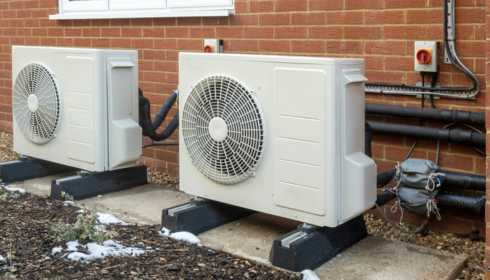
There’s something magical about coming home to the perfect indoor temperature. Not too hot. Not too chilly. Just right. But if you’re still juggling window units in the summer and space heaters in the winter—or relying on a clunky old system that seems to have a mind of its own—you’re probably wondering if there’s a better way. Good news: there is. And it’s not nearly as complicated (or expensive) as you might think.
More homeowners are making the switch to heat pumps—and not just in mild climates. Whether you’re braving bitter winters or sweltering summers, the right system can handle it all with quiet, consistent efficiency. Let’s break down why heat pumps, especially for residential spaces, are quickly becoming the go-to for modern home comfort.
The Struggle with Summer Isn’t Just the Heat—it’s the Inefficiency
We’ve all had that one room in the house that never cools down. You crank the thermostat, the AC groans to life, and for a minute, you feel the sweet relief of cold air. But give it 20 minutes, and you’re back to sweating while your electricity bill soars.
Summer cooling shouldn’t feel like a battle. It should feel effortless. That’s where heat pumps come in—they don’t just cool quickly, they cool smart. Unlike traditional systems that flip between on and off (wasting energy in the process), heat pumps adjust gradually to maintain a consistent temperature. That means no more drastic ups and downs—and no more waking up in the middle of the night because the air kicked off again.
They’re especially handy for homeowners who value efficiency and comfort equally. Because let’s be honest—comfort isn’t really comfort if it comes with financial guilt every month.
Keeping Cozy in Winter Without Burning Through Your Wallet
People used to think heat pumps only worked well in moderate climates. But that’s no longer true. Modern units, especially those rated for colder temperatures, are more than capable of keeping your home warm during the chilliest months. And they do it using less energy than traditional heating methods.
Winter heating with a heat pump feels different—in the best way. The air isn’t bone-dry like what you get from a furnace. It’s gentle, steady, and even. No loud whooshing from vents. No intense blasts of hot air that leave your face dry and your throat scratchy.
And the best part? Because the system moves heat rather than generating it from scratch, it’s far more energy-efficient. You’re essentially recycling warmth, pulling it from the outside air (even in surprisingly cold temps) and bringing it indoors. It’s clever. It’s cost-effective. And it’s cozy.
One System, All Year: The Residential Heat Pump Advantage
For people tired of managing two different systems—or worse, several band-aid solutions throughout the house—a residential heat pump is a game changer. It replaces both your heating and cooling systems with one unit that runs quietly in the background, adjusting to your needs as the seasons shift.
And it’s not just about replacing old equipment. Heat pumps also offer zoned heating and cooling, meaning you can control different parts of your home independently. So if you like your bedroom cooler than the living room, or want to save energy by turning off climate control in a guest room that rarely gets used—you’ve got options.
For households with kids, elderly family members, or people working from home in dedicated spaces, that kind of precision matters. Everyone can be comfortable without compromise.
Quiet Operation, Cleaner Air, and Long-Term Savings
You don’t realize how noisy your old HVAC system was until it’s gone. Heat pumps are designed to operate with minimal sound—inside and out. That means no more roaring fans, creaky ducts, or mystery clangs echoing through your vents at 3 AM.
They’re also better for indoor air quality. Many models come with advanced filtration systems that reduce dust, pollen, and other allergens. So not only is your home more comfortable—it’s healthier too.
And let’s not forget the long game. Yes, installing a heat pump might cost more upfront than patching up your existing system. But the energy savings over time? That’s where things really even out. Many homeowners report noticeably lower utility bills in both summer and winter. And with fewer parts to break down and less strain on the system, maintenance costs tend to stay low too.
Is a Heat Pump Right for Every Home?
Not necessarily—but for most homes, it’s at least worth considering. Whether you’re in a brand-new build or a 1950s fixer-upper, heat pumps can be adapted to fit your space. Especially now that there are models specifically designed for colder regions, there’s a solution for just about every climate.
If you’re still unsure, get a professional to assess your space. They can help you figure out the best system size, layout, and features for your needs—no guesswork required.
The Bottom Line: Comfort Shouldn’t Be Complicated
At the end of the day, your home is where life happens. It’s where you laugh, rest, cook, work, and make memories. You shouldn’t have to wrestle with your HVAC system to make that space feel just right.
With smart, energy-conscious summer cooling, reliable winter heating, and a dependable residential heat pump, you can finally ditch the patchwork of window units, space heaters, and loud old ductwork. You get one system. All seasons. All comfort.
Tags: Summer cooling