
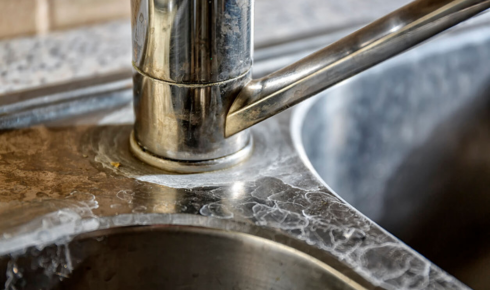
Let’s talk about something that quietly messes with your home, your wallet, and even your skin—hard water. It’s not exactly the sexiest topic at dinner parties, but it is something that creeps into your daily routine like a slow leak. One day your faucets are fine, your shampoo lathers like a dream, your washing machine runs smooth. Then the next thing you know, there’s crusty white residue on your showerhead, your laundry feels stiff, and you’re scrubbing dishes like they just went through a mudslide.
So what gives? Welcome to the world of hard water problems—a surprisingly common nuisance that many folks don’t even realize they’re dealing with.
The Invisible Villain in Your Pipes
Hard water is basically water that’s loaded up with minerals—mainly calcium and magnesium. These minerals aren’t harmful to drink, but they are a menace to everything else. Think plumbing, appliances, dishes, even your hair. It’s kind of like having a silent saboteur in your home, slowly clogging pipes and shortening the life of your water heater.
And here’s the kicker: the effects aren’t instant. They build up gradually, like a villain in a slow-burn thriller. You don’t realize your water heater’s efficiency has dropped until the bills start creeping up. Or that your skin’s been a little more irritated, your hair a little more lifeless, but you just chalk it up to stress. Truth is, those subtle symptoms are often just water hardness issues in disguise.
It’s Not Just Pipes—It’s Your Whole Lifestyle
The thing about hard water is it doesn’t just stay in the plumbing. It spreads. The minerals react with soap and detergent, leaving behind that infamous filmy residue. That same soap scum you’re constantly wiping off your shower doors? That’s hard water throwing shade at your cleaning efforts.
Laundry? Oh, it feels it too. Whites turn dingy, colors fade faster, and towels start to feel like cardboard. Your detergent can’t fully do its job, so you use more of it, and even then, you’re not getting the same results. That’s money down the drain, literally and figuratively.
And skincare? Yeah, hard water doesn’t play nice there either. Those minerals can dry out your skin, mess with your pH balance, and leave you reaching for moisturizer like it’s a lifeline.
The Quiet Cost You Didn’t Budget For
If you think this is all just an annoyance, think again. Hard water can hit your finances in sneaky ways. Appliances like dishwashers and washing machines work harder and wear out faster. Energy bills tick upward as heaters lose efficiency. Repairs add up.
And then there’s time—the endless cycle of cleaning, rewashing, troubleshooting appliances that aren’t technically “broken,” just gummed up with mineral residue. It’s exhausting. You might not see the invoice, but the costs pile up just the same.
That’s where scale buildup solutions come into play. They’re not all created equal, but they all exist for one reason: to fight back against the slow, steady grip of hard water.
So What Can You Actually Do About It?
Here’s the part where we stop ranting and start solving.
Water softeners are the traditional go-to, and they’ve earned that reputation. They use a process called ion exchange to remove calcium and magnesium from the water. The result? Softer water that’s easier on everything from your plumbing to your hair.
But not everyone wants to deal with salt refills or bulky tanks. Thankfully, the industry has evolved. There are newer technologies—salt-free softeners, conditioners, even magnetic descalers—that cater to different preferences and space constraints. Some people swear by reverse osmosis systems, which filter out a broader range of minerals and impurities, giving you cleaner, clearer water from the tap.
And then there are the small but mighty solutions—things like faucet filters, showerhead softeners, and even special detergents designed to counteract hard water’s effects. They don’t solve the problem at its source, but they do make life a bit easier.
Testing the Waters (Literally)
Not sure if you have hard water? Don’t just guess. You can get inexpensive test strips online or from a home improvement store. Some local utilities will even provide water hardness info right on their websites.
Signs like soap that won’t lather, chalky stains, or frequent appliance repairs are red flags, but a test will confirm the specifics. Hardness is usually measured in grains per gallon (GPG), and anything above 7 GPG is considered hard water territory. Once you know your number, you can pick a solution that fits your needs (and budget).
Life After Hard Water
Once you make the switch to treated water, you start to notice a quiet transformation. Your dishes sparkle again. Your laundry feels softer. Your skin stops freaking out. Showers become an actual pleasure instead of a battle against residue. And your appliances? They thank you with fewer breakdowns and longer lives.
You may not realize how much hard water affected your day-to-day until it’s gone. It’s one of those things that sneaks into the background of life and just… lingers. Fixing it doesn’t just improve your plumbing—it improves your entire routine.
A Final Word
Hard water isn’t glamorous, but it is real. And while it’s easy to ignore, the damage adds up over time. From dull laundry to damaged appliances and extra costs, it quietly works against your home’s efficiency and your comfort.
But the good news? You’re not stuck with it. Whether you go full-on softener system or just tweak a few habits with targeted products, you can take control. You deserve water that works with you, not against you.
Because at the end of the day, it’s not just about water. It’s about the little things—cleaner dishes, softer clothes, better showers—that add up to a more comfortable home. And that’s worth investing in.