
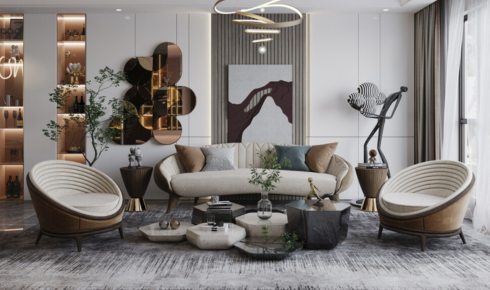
Let’s be honest—when it comes to home design, the living room holds a special place. It’s where we unwind, entertain, laugh, snack, nap, binge-watch, or just sit and think. It’s the heart of the home in so many ways. So why do so many living rooms end up feeling like stiff, underused furniture showrooms or chaotic toy storage centers?
Because real-life living room design isn’t about trends. It’s about comfort, intention, and that indescribable feeling of ahh, I’m home.
Starting with the Soul of the Room
Before choosing a sofa or paint color, ask yourself: What do I want this space to feel like? Cozy and cocooned? Open and airy? A bit bold and eclectic?
That mood becomes your anchor. Every piece you bring in—from your coffee table to your curtain rods—should support that vibe. This mindset shift is what separates cookie-cutter designs from personal, soulful spaces.
That’s really what separates uninspired setups from memorable living room design—design that’s not about filling space, but creating a feeling.
Function First, Then Form
One of the biggest traps we fall into? Designing for looks instead of lifestyle.
If your family gathers around board games every weekend, make space for a big low table. If you’re more of a movie-night household, arrange your seating so everyone can see the screen without craning their necks. And if you work from the couch more than you’d like to admit (don’t worry, same here), think about side tables that actually fit your laptop.
Design that doesn’t support your real life gets abandoned. You end up avoiding rooms that look great but feel… off.
This is the core of crafting great living room interiors—it’s got to live up to its name: a room for living.
Layer It, Don’t Overload It
Layering is the secret sauce of warm, stylish spaces. But we’re not talking about clutter. We’re talking thoughtful, textured layering—one that tells a story over time.
Start with foundational pieces: a well-scaled sofa, a soft rug, functional lighting. Then build in personality through layers. A throw you actually use. Art that makes you feel something. A stack of books that aren’t just for show.
Think of it like dressing in fall: a simple outfit that becomes complete when you toss on the scarf that’s traveled with you for years.
That’s the goal—depth, not just décor.
Choosing Color Without Overthinking It
Color can paralyze even the boldest designers. But here’s the thing—there’s no universal “right” palette. Just right-for-you.
If you’re unsure, go natural. Warm taupes, earthy greens, soft creams—these hues play nice with nearly everything. Want a splash of drama? Bring in rich navy or even a touch of black in small doses. It grounds a space beautifully.
Accent colors can come from pillows, rugs, and yes, plants. Nature is the best color consultant you’ll ever meet.
Personal Details > Price Tags
You don’t need a $2,000 coffee table to have a great living room. What you need are pieces with stories. A side chair you found on Facebook Marketplace. A painting from a local art fair. A bowl you picked up during your last trip.
Design isn’t about impressing guests—it’s about surrounding yourself with things that feel familiar, loved, and yours.
This is what turns a room into a comfortable living space—it’s the invisible layer of emotion woven into the physical stuff.
Lighting: The Unsung Hero of Good Vibes
Overhead lights are fine (sort of). But no one ever walked into a living room lit like a hospital and said, “Wow, this feels relaxing.”
Use multiple light sources: a floor lamp near the reading nook, a table lamp by the sofa, maybe even some wall sconces or candles. Warm-toned bulbs (no bright white, please) soften everything—from your walls to your mood.
Lighting isn’t just about visibility—it’s about atmosphere. And the right glow can make even a hand-me-down futon feel luxe.
Plants, Textures, and Something Unexpected
Greenery, even if faux, gives any space a jolt of life. Soft textures invite you in—think bouclé pillows, chunky knit throws, or velvet ottomans.
And don’t be afraid to throw in something unexpected. A vintage record player. A quirky sculpture. A bright pop of color in an otherwise neutral space.
Surprise is the spice of design. And a little bit goes a long way.
Final Thoughts: Make It Feel Like You
At the end of the day, there’s no single rulebook for designing your living room. But if there was, it would probably say this: Don’t design for Instagram. Design for joy.
That means not obsessing over what’s “in.” It means trusting your instincts, forgiving imperfection, and choosing comfort over trends.
Because when you walk into a space that reflects who you are—your tastes, your habits, your history—you feel it in your bones. That’s what real home design is all about.