
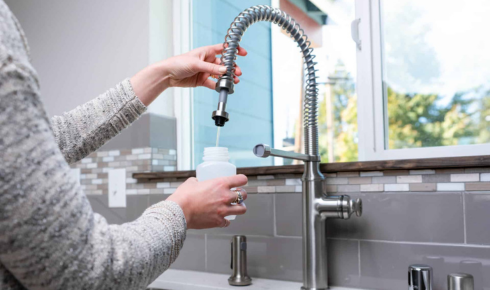
When people talk about a “comfortable home,” they usually picture cozy furniture, warm lighting, maybe a peaceful neighborhood. Those things matter, of course. But ask someone who’s lived with poor water quality or constant indoor allergies, and they’ll tell you comfort starts somewhere much deeper.
It starts with what you can’t see.
The air you breathe every second.
The water you use dozens of times a day.
These invisible elements shape how a home feels more than any decorative upgrade ever could. And in many regions — especially places with diverse climates and aging infrastructure — homeowners are beginning to realize just how essential they really are.
Why Environmental Quality Matters More Than We Notice
Most homeowners don’t think about air or water quality until something feels wrong. Maybe tap water develops an odd taste. Maybe a persistent cough appears that seems worse indoors than outside.
These subtle signals often go unnoticed at first. Life gets busy, and people assume these issues are temporary.
But over time, small environmental problems can have a cumulative impact on comfort and health. Water impurities may affect skin, appliances, and overall taste. Poor air quality can influence sleep, concentration, and respiratory well-being.
Once homeowners begin paying attention to these factors, they often discover that improving them leads to noticeable changes in daily life.
And those changes tend to feel surprisingly significant.
The Unique Environmental Challenges in Southern Regions
In areas like the southeastern United States, environmental conditions can present unique challenges. Seasonal humidity, fluctuating groundwater quality, and varying infrastructure standards all influence home environments.
Many tennessee homes, for example, rely on a combination of municipal and well water sources, each with its own characteristics. Mineral content, seasonal changes, and aging pipes can all affect water quality over time.
Similarly, high humidity levels can influence indoor air conditions, encouraging mold growth or trapping allergens.
Understanding these regional factors helps homeowners make more informed decisions about improving their living environments.
Because environmental quality isn’t one-size-fits-all — it’s shaped by local conditions.
The Everyday Impact of Better Water Quality
Water plays a role in nearly every household activity. It’s used for drinking, cooking, bathing, cleaning, and even heating and cooling systems.
When water quality improves, homeowners often notice a wide range of benefits. Soap lathers more effectively. Appliances operate more efficiently. Beverages taste fresher.
Most importantly, access to clean water provides peace of mind. Families no longer worry about contaminants, unpleasant tastes, or potential health risks.
For many homeowners, investing in filtration or treatment systems becomes less about luxury and more about long-term comfort and reliability.
And once they experience the difference, it often feels like a fundamental upgrade rather than a minor improvement.
The Often Overlooked Role of Indoor Air Quality
While water concerns are relatively easy to notice, indoor air quality tends to remain invisible — even though it influences health continuously.
Modern homes are designed to be energy efficient, which often means they’re tightly sealed. While this helps regulate temperature, it can also trap pollutants indoors.
Dust, pet dander, cleaning chemicals, and outdoor allergens can accumulate over time, affecting respiratory comfort.
Improving healthy air conditions inside homes often involves better ventilation, regular filter maintenance, and sometimes air purification systems.
Homeowners who address air quality frequently report improvements in sleep, reduced allergy symptoms, and overall comfort.
These benefits may seem subtle at first, but they tend to build over time.
The Emotional Comfort of a Healthy Living Space
Beyond physical benefits, environmental quality has a strong emotional dimension.
Knowing that your home provides safe water and clean air creates a sense of security. It removes small, persistent worries that might otherwise linger in the background.
This confidence allows families to focus on daily life without distractions — cooking meals, relaxing after work, or hosting friends.
A healthy environment supports both physical well-being and mental peace, creating a space that truly feels like home.
And that emotional comfort is something people often underestimate until they experience it firsthand.
Small Changes That Create Meaningful Results
Improving environmental quality doesn’t always require large-scale renovations. Many homeowners start with simple steps — testing water quality, upgrading filtration systems, improving ventilation, or maintaining HVAC equipment.
Over time, these incremental improvements can dramatically enhance living conditions.
The key is awareness. Understanding what’s in your water and air allows you to make targeted adjustments rather than guessing.
And as homeowners take these steps, they often discover that creating a healthier environment is far more achievable than they initially believed.
A Thoughtful Ending: Comfort Begins With What We Don’t See
At its core, a comfortable home isn’t defined by appearance alone. It’s defined by how well it supports the people living inside it.
Clean water flowing reliably.
Fresh air circulating naturally.
These invisible elements shape everyday experiences in profound ways.
Investing in water and air quality isn’t about chasing perfection — it’s about creating a foundation of well-being that supports long-term health and comfort.