
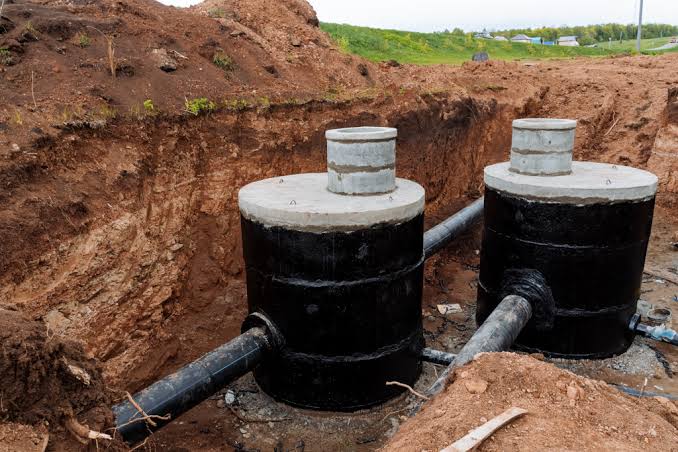
A septic system is probably not something you think about while enjoying your morning coffee or getting the laundry done. It sits quietly beneath your property, handling wastewater day after day. As long as everything works properly, there’s little reason to give it much attention.
However, neglecting a septic system for too long can lead to unpleasant odors, drainage problems, and expensive repairs.
For property owners exploring septic services in hobbs, understanding the importance of preventive care, timely inspections, and proper installation can help protect both their homes and surrounding environments.
Living with a private wastewater system comes with certain responsibilities, but those responsibilities don’t need to feel overwhelming. A few sensible habits and occasional professional attention can make septic ownership considerably easier.
Understanding What Happens Beneath Your Property
Unlike homes connected to municipal sewer networks, properties with septic systems manage wastewater onsite.
Whenever you flush a toilet, wash dishes, or take a shower, wastewater travels into the septic tank. Inside, heavier solids settle toward the bottom, while lighter substances such as oils and grease collect near the surface.
Naturally occurring bacteria help break down some organic waste. However, not everything disappears through this process.
Partially treated wastewater typically moves into a drain field, where suitable soil conditions provide further treatment.
Over time, solid waste accumulates inside the tank. Without appropriate removal, excessive buildup can interfere with normal system operation and potentially damage the drain field.
Understanding this basic process makes it easier to appreciate why regular servicing matters.
Why Pumping Your Septic Tank Shouldn’t Be Overlooked
It’s surprisingly easy to forget about a septic tank when nothing appears to be wrong. Unfortunately, waiting until toilets start backing up isn’t the best maintenance strategy.
Routine septic tank pumping and maintenance help remove accumulated solids, assess accessible system components, and identify developing concerns before they become more disruptive.
Pumping frequency depends on several factors, including tank capacity, household size, wastewater production, and system condition.
A busy family with several children may require more frequent servicing than a couple living in a similarly sized property.
Conventional household tanks are commonly pumped every three to five years, although professional inspections can help establish a more suitable schedule.
Keep a record of completed services rather than relying on memory. Those years can pass surprisingly quickly when you’re busy managing everything else around the house.
Planning a Reliable Septic System From the Beginning
Building a new home or replacing a failing wastewater system requires careful planning. Installing a tank without considering surrounding conditions can create significant problems later.
Professional septic system installation involves evaluating soil characteristics, property dimensions, anticipated wastewater volume, drainage requirements, and applicable local regulations.
Certain soil types absorb and treat wastewater differently from others. Groundwater conditions and available space also influence which system designs are appropriate.
Contractors need to consider the location of buildings, water wells, property boundaries, and underground infrastructure.
A properly planned system should accommodate the household’s requirements while protecting the surrounding environment.
Before construction begins, discuss installation methods, necessary approvals, maintenance expectations, and anticipated expenses with your contractor.
Getting these details right early can save considerable frustration down the road.
Recognizing the Warning Signs of Septic Trouble
Septic problems don’t always announce themselves through dramatic wastewater backups. Sometimes, the earliest signs are quite subtle.
Perhaps several household drains become noticeably slower. You might hear unfamiliar gurgling sounds after flushing the toilet or notice unpleasant odors near the drain field.
Unusually wet ground or standing water around the system may also indicate a problem, particularly during otherwise dry weather.
These symptoms can have different explanations, but they certainly deserve investigation.
If wastewater begins backing up inside your home, stop using plumbing fixtures and arrange professional assistance promptly.
Avoid contact with sewage and keep children and pets away from contaminated areas.
Addressing potential problems early may help prevent additional property damage and more extensive repairs.
Everyday Habits That Make Life Easier for Your Septic System
What goes down your household drains can significantly influence septic performance.
Cooking grease, wipes, hygiene products, and household rubbish should be disposed of appropriately rather than flushed down toilets or poured into sinks.
Excessive amounts of harsh cleaning chemicals may also interfere with biological activity inside the tank.
Water consumption deserves attention, too. Completing several large loads of laundry in one afternoon can introduce a considerable volume of wastewater into the system.
Spreading laundry throughout the week may help reduce sudden demands.
Repair dripping faucets and continuously running toilets when you notice them.
These habits aren’t particularly complicated, but they can help reduce unnecessary strain on your wastewater infrastructure.
Protecting the Drain Field Around Your Home
The drain field is an essential component of many septic systems, yet homeowners sometimes overlook its importance.
Avoid parking vehicles or placing heavy equipment over this area. Excessive weight may compact the soil or damage underground components.
Direct roof runoff and other unnecessary surface water away from the drain field wherever appropriate.
Grass and suitable shallow-rooted vegetation are generally preferable to trees or large shrubs that could interfere with buried infrastructure.
Knowing where your system is located makes protecting it considerably easier.
A Little Preventive Care Goes a Long Way
Looking after a septic system doesn’t require constantly worrying about what happens underground.
Regular inspections, appropriate pumping, sensible water usage, and responsible waste disposal can help maintain dependable performance.
Your septic system carries out an important job every day, usually without attracting any attention.
Give it the occasional professional care it deserves, and you can spend considerably less time thinking about wastewater problems and more time simply enjoying your home.