
Knee surgery marks the beginning of recovery, not the end of treatment. Patients who undergo ACL reconstruction, ligament repair, meniscus surgery, or total knee replacement must follow a structured post-surgery knee rehabilitation plan to regain strength and mobility.
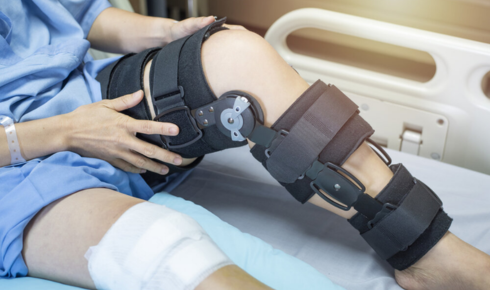
Orthopedic specialists strongly recommend using a long-type knee brace during the early healing phase to protect the joint and ensure safe recovery.
A correct knee brace after surgery stabilizes the knee, controls movement, and reduces the risk of complications. When patients use it correctly, they improve healing outcomes and return to daily activities with greater confidence.
Why do Doctors Recommend a Long Type Knee Brace After Surgery
Immediately after surgery, many patients wear a knee immobilizer brace. It keeps the leg straight and protects surgical repairs. Movement stays minimal during this phase.
As walking begins often with crutches or a walker, doctors shift to a long hinged knee brace. This version allows controlled bending while blocking unsafe motion. The hinge supports natural movement but keeps it within a safe range.
Immediate Post-Operative Phase
Right after surgery, patients typically wear a knee immobilizer brace to protect surgical repairs and reduce strain on the joint.
Early Mobility Phase
As patients begin walking with crutches or a walker, doctors recommend a long hinged knee brace. This brace allows limited bending while preventing unsafe movements during early mobility.
Rehabilitation and Physical Therapy
During physical therapy, patients often continue using a post-surgery knee support brace. The brace provides stability while muscles remain weak and healing continues.
Most patients wear the brace for four to eight weeks, though the exact timeline varies based on healing speed and surgical complexity.
How to Use a Long Type Knee Brace Properly
A brace only works well when worn correctly.
The fit should feel firm but not tight. If straps dig into the skin or cause numbness, adjustment becomes necessary. Even pressure around the thigh and calf improves comfort and stability.
Patients using a range-of-motion knee brace must follow the bending limits set by their surgeon. Changing those settings without guidance can strain healing ligaments.
Doctors may allow removal during rest, but many advise wearing the brace during walking or exercise. Consistency matters.
At the same time, strengthening exercises remain essential. A post-operative knee brace supports the joint. Physical therapy rebuilds muscle. Both play important roles.
Mistakes That Slow Healing
- Removing the brace too early
- Walking without medical clearance
- Ignoring swelling or increasing pain
- Wearing the brace incorrectly or too loosely
Any redness, unusual discomfort, or numbness deserves medical attention.
Conclusion
Knee rehabilitation demands patience. Vissco Next long type knee brace for recovery provides structure during a time when the joint feels uncertain. It supports stability, protects healing tissues, and allows steady progress through therapy.
With proper use, guided exercises, and regular follow-ups, patients regain strength step by step. Recovery does not rely on one tool alone. It comes from steady effort, protection, and informed care.
Tags: knee brace