
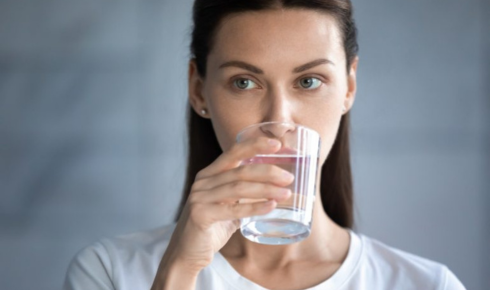
It’s easy to forget that water actually has a taste. We grow up thinking of it as neutral, almost invisible—something that’s just there, doing its job quietly. But every now and then, you take a sip and pause. Not because it’s bad exactly, but because it’s… different.
Maybe there’s a faint sharpness. Maybe a slight chemical note you can’t quite name. Or maybe it’s just not as refreshing as you expect it to be.
I used to ignore those moments. After all, if the water is safe, what’s the big deal? But over time, those small differences started to stand out. And once you notice them, it’s hard to go back to not caring.
When “Safe” Doesn’t Mean Enjoyable
Most municipal water systems are designed with safety in mind. And they do that job well. But safety isn’t the same as enjoyment.
Water can carry trace chemicals, treatment residues, or dissolved compounds that affect how it tastes and feels. None of it necessarily harmful in small amounts, but enough to make the experience less than ideal.
That’s where chemical contaminant removal becomes more than just a technical term. It’s about refining your water—taking something that’s already acceptable and making it genuinely pleasant to use.
And the shift is subtle. You don’t suddenly feel like you’re drinking something completely new. Instead, you stop noticing what used to bother you. The edges soften. The taste becomes cleaner.
The Familiar Bite of Chlorine
If there’s one flavor most people recognize in tap water, it’s chlorine. It’s that slightly sharp, almost pool-like taste that lingers just enough to be noticeable.
Chlorine is added for a good reason—it helps disinfect water and keep it safe. But that doesn’t mean everyone enjoys the taste.
That’s why chlorine taste reduction has become a common focus for people looking to improve their water at home. It’s not about removing protection—it’s about improving the experience after that protection has done its job.
And once that taste is gone, the difference is immediate. Water feels softer, more natural. Even something as simple as a glass of cold water becomes more refreshing.
The Way Water Affects Everything Else
We often think of water in isolation—as something we drink and nothing more. But it’s part of almost everything we do in the kitchen.
It’s in your tea, your coffee, your cooking. It shapes the flavor of your meals in ways you don’t always notice.
When the quality improves, those everyday moments improve too.
That’s why the idea of better drinking water isn’t just about hydration. It’s about enhancing the small, daily experiences that make up your routine.
Your morning coffee tastes more balanced. Your tea feels smoother. Even your cooking becomes more consistent.
It’s not dramatic, but it’s meaningful.
It’s Not About Overcomplicating Things
One of the biggest misconceptions about improving water is that it requires complicated systems or major changes.
It doesn’t.
Sometimes, it’s as simple as paying attention to what you already have. Noticing the taste, the smell, the way your water behaves. And then taking a small step to improve it.
You don’t need to understand every technical detail. You don’t need to chase perfection. You just need to move in the right direction.
The Quiet Benefits You Didn’t Expect
What surprised me most wasn’t the obvious improvements—it was the side effects.
Drinking more water without thinking about it. Enjoying simple things like a glass of water on a hot day. Feeling more comfortable using tap water for everything, instead of second-guessing it.
These are small changes, but they add up.
And over time, they become part of your normal routine.
A Different Way to Think About Water
We often treat water as a given—something that doesn’t require attention. But the more I think about it, the more I realize how central it is to our daily lives.
It’s one of the few things we interact with constantly, in multiple ways, every single day.
So why not make it better?
Not perfect. Just better.
The Balance Between Effort and Impact
Improving water quality is one of those rare changes where the effort is relatively small, but the impact is ongoing.
You make a decision once, and then you benefit from it every day.
And that’s what makes it worthwhile.
Closing Thought
At the end of the day, this isn’t about technology or trends. It’s about experience.
About how your water tastes, how it feels, how it fits into your life.
Because when something as simple as water feels right—clean, consistent, refreshing—it has a way of improving everything else around it.
Not in a loud, obvious way. Just quietly, steadily… one sip at a time.
Tags: chemical contaminant removal