
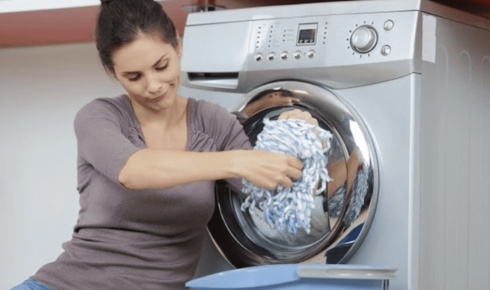
We don’t usually think much about our washer—until it decides to quit mid-cycle with our favorite hoodie inside. It’s like a good friend who suddenly ghosts you. One day it’s cleaning away your coffee-stained shirts, and the next… silence, clunking sounds, or worse—mystery puddles on the laundry room floor.
Let’s face it: modern appliances have made life ridiculously convenient. But when something goes off track, especially with a washer, it can be frustrating, messy, and costly if ignored. Whether your washing machine is not spinning, refusing to drain, or just straight-up leaking, don’t panic. You’ve landed in the right place.
The Sneaky Signs Your Washer Might Be in Trouble
It starts small—maybe a cycle takes longer than usual. Maybe your clothes don’t smell quite as fresh. Or maybe you hear an odd thudding sound from the laundry room that wasn’t there before. These are the whispering hints that your washer’s whispering for help.
Ignore them, and next thing you know, you’re mopping up soap water at 2 a.m.
And while some washer issues do need a professional’s touch, many can be understood—or even resolved—once you know what’s going on under the hood (or drum, rather).
When the Spin Cycle Says “Nope”
One of the most common complaints folks have is this: “My clothes came out sopping wet.”
Classic case of the washing machine not spinning. Ugh.
Now, a washer refusing to spin can stem from a few culprits. Maybe the load’s uneven—yep, a heavy blanket shoved on one side can throw the whole thing out of whack. Or perhaps the lid switch (that little piece that tells the machine the lid is safely shut) has gone faulty. Sometimes it’s the belt, stretched and tired from years of work.
It’s a pain, yes. But it’s also fixable.
Start by redistributing your laundry evenly. Still no luck? Peek at the lid switch or call in someone with a toolbelt. Better a minor fix now than a major one later.
The Mystery Puddle on the Floor
There’s nothing more disheartening than stepping barefoot into a puddle near the washer. Especially when you didn’t sign up for a surprise foot bath.
A washer leaking water doesn’t always mean doom. In many cases, it’s a loose hose or worn-out gasket. Rubber parts don’t last forever—especially when they’re constantly hit with heat, detergent, and friction. Check around the hose connections first. Tighten them if needed, and look for cracks.
Still dripping? The culprit might be the door seal (front-loaders, I’m glaring at you), or a clogged drain pump. If you’re feeling handy, you can open things up and check for lint, socks, or even coins that found their way into the pump.
If DIY’s not your style, no shame in bringing someone in. Water damage isn’t something to mess around with.
When Silence Isn’t Golden
Ever hit “start” and… nothing?
No comforting hum, no swish-swash of water. Just… dead silence.
Before you assume the machine’s given up the ghost, double-check the basics. Power cord firmly in? Breaker tripped? Water valves open? You’d be amazed how often washer woes come down to simple oversights.
Still not budging? It could be the control board, motor, or timer. This is where a little professional washer repair saves the day (and your sanity). It’s better to catch a glitch early than risk burning out the motor completely.
The DIY Temptation (And When to Resist It)
YouTube makes everything look easy. Ten minutes into a tutorial and suddenly you’re convinced you can rebuild your washer from scratch with a butter knife and a dream.
Reality check: there’s a fine line between being resourceful and being reckless.
Sure, replacing a hose or cleaning out a filter? Go for it. But rewiring parts, opening the motor, or replacing complex components? If you’re not 100% sure, don’t wing it. Missteps can turn a $30 fix into a $300 one.
That’s where trusted technicians come in. A good repair person doesn’t just fix the issue—they explain it, prevent future problems, and (ideally) show up on time.
Extending the Life of Your Washer (No Magic, Just Maintenance)
You don’t have to wait for disaster to strike. A few simple habits can keep your washer humming along for years:
- Don’t overload it. Your washer’s not a superhero. Stuffing it full wears out parts faster.
- Use the right detergent. Especially for HE machines. Too many suds = trouble.
- Leave the door open after washes. It helps dry out the drum and prevents mildew.
- Clean the lint filter and detergent drawer. Grime builds up. It’s gross. Clean it.
- Run a cleaning cycle monthly. Hot water + vinegar or washer cleaner tabs. That’s it.
It’s not glamorous, but neither is moldy-smelling laundry.
The Big Question: Repair or Replace?
If your washer’s been loyal for 8-10 years and you’re constantly calling in repairs, it might be time to have “the talk.” You know, the should-we-break-up talk.
But don’t rush it. If the fix is under $200 and your machine’s otherwise in good shape, repairs make sense. Older washers are often sturdier than newer ones, which are sometimes more style than substance.
However, if your washer’s guzzling energy, can’t wash a load without a tantrum, and parts are hard to find—it may be time to move on.
Final Thoughts
Washer issues aren’t fun. They’re messy, inconvenient, and somehow always happen when you need clean clothes most. But the good news? Most of these problems are solvable. Whether you take the DIY route or call in the cavalry, the key is acting early and understanding the red flags.
So, the next time your washer sputters or you find your laundry room flooded, take a breath. You’re not alone, and you’re not powerless.
Laundry day may have thrown you a curveball—but with a little patience and know-how, you’ve got this. Just remember to show your washer a little TLC every now and then. After all, it deals with the worst of your dirty work.
Tags: washing machine not spinning