
Open the kitchen cupboard in many households, and you’ll probably find a collection of reusable water bottles, a filter pitcher, or perhaps a few unopened bottles of drinking water. Everyone has their own way of dealing with water quality concerns. But constantly refilling pitchers or purchasing bottled water can become inconvenient, particularly for larger families.
For homeowners throughout Lancaster and Southeastern Pennsylvania, reverse osmosis water filter systems offer a practical alternative for reducing specific unwanted substances and making filtered drinking water readily available.
The technology sounds complicated, but living with it doesn’t have to be. From choosing the right equipment to understanding everyday maintenance, a little knowledge can help you find a filtration system that genuinely suits your home.
Why Reverse Osmosis Goes Beyond Basic Water Filtration
Ordinary water filters serve useful purposes, but their treatment capabilities vary. A sediment cartridge captures physical particles, while activated carbon can help reduce chlorine and certain unwanted flavors.
Reverse osmosis, commonly called RO, works differently.
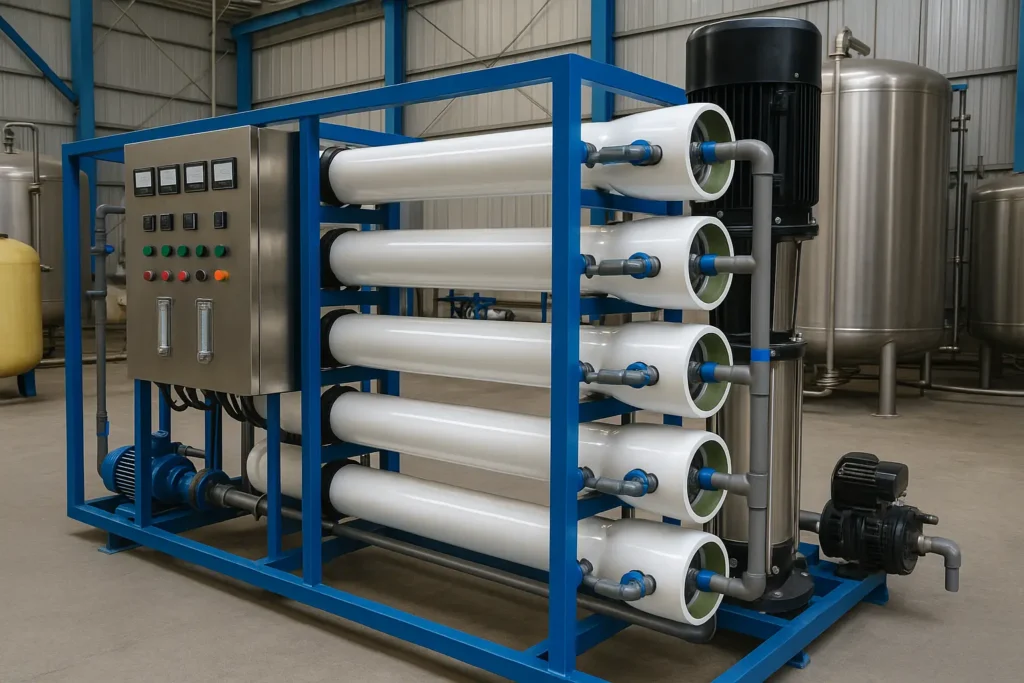
It uses pressure to move water through a semipermeable membrane, reducing many dissolved substances that conventional mechanical filters cannot effectively capture.
Depending on independently verified equipment capabilities, this process may reduce specific contaminants such as lead, nitrate, fluoride, and dissolved salts.
Many residential units also incorporate preliminary filtration stages to protect the membrane and improve overall treatment performance.
However, reverse osmosis isn’t a universal answer to every water quality concern. Selecting equipment according to reliable testing results is more sensible than assuming that every household needs identical treatment.
Filtering Water Where You Need It Most
Think about how much water goes into washing clothes, flushing toilets, watering plants, and taking showers. Only a relatively small portion of your household’s water is actually consumed.
This is where point-of-use drinking water treatment offers practical advantages. Instead of applying membrane filtration to the entire property, homeowners can treat water at a designated outlet, typically the kitchen sink.
A dedicated drinking water faucet provides convenient access to filtered water for preparing meals, making beverages, and filling reusable bottles.
This arrangement can also complement existing household water softening equipment.
For many Lancaster families, treating drinking water separately from general household water provides a reasonable balance between convenience, equipment requirements, and operating expenses.
Exploring Different Designs Before Making a Purchase
Not every filtration system fits comfortably into every kitchen. Some homeowners have plenty of cabinet space, while others struggle to find room beneath the sink.
When comparing reverse osmosis filtration options, consider available installation space, water production capacity, incoming pressure, and maintenance accessibility.
Traditional systems commonly include a storage tank that holds treated water until it’s needed. Tankless models generally produce filtered water on demand and may offer a more compact arrangement.
Both designs have practical advantages and limitations.
A household that frequently prepares large meals or fills several drinking bottles every morning may have different requirements from someone living alone.
Rather than concentrating entirely on advanced features, think about how the equipment will fit into your family’s ordinary routine.
Understanding Your Water Before Choosing a System
Properties throughout Southeastern Pennsylvania can receive water from different sources. Municipal supplies and private wells don’t necessarily share identical water characteristics.
Before investing in equipment, review available water quality information or arrange appropriate laboratory testing.
If your primary concern involves a noticeable disinfectant taste, suitable activated carbon filtration might be sufficient. Specific dissolved contaminants may require membrane treatment or other specialized technologies.
Private well owners should also consider microbial concerns, which may require separate disinfection measures.
Ask for documented contaminant reduction capabilities when comparing equipment. A long list of impressive features means very little if the system hasn’t demonstrated the ability to address your particular concerns.
Buying filtration equipment should be an informed decision, not a guessing game.
Making Everyday Meals and Beverages More Enjoyable
Lancaster County’s appreciation for fresh produce and homemade food makes the kitchen an important part of many households.
Yet water remains one of the most overlooked cooking ingredients.
Unpleasant tastes can influence certain soups, sauces, teas, and homemade beverages. Appropriately filtered water may provide a more neutral starting point for these recipes.
Coffee enthusiasts might also appreciate experimenting with different water characteristics, although some mineral content can positively influence coffee extraction and flavor.
Having treated water available directly from a dedicated faucet makes preparing meals and beverages considerably more convenient.
Sometimes, improving a favorite recipe doesn’t require a new cooking technique. It simply means paying closer attention to the ingredients you’ve always used.
Considering Maintenance and Long-Term Operating Costs
A reverse osmosis system requires more than an initial installation investment. Replacement cartridges, membrane servicing, and water consumption contribute to ongoing ownership expenses.
The treatment process produces a concentrate stream that carries rejected substances toward the drain. Comparing documented water efficiency between different models is therefore worthwhile.
Follow manufacturer recommendations for filter replacements and investigate unexpected changes in water production or taste.
Appropriate follow-up testing can help verify performance, particularly when addressing health-related contaminants.
Keeping a simple maintenance calendar makes these responsibilities easier to manage and helps prevent servicing from being forgotten during busy periods.
Bringing Better Drinking Water Into Your Lancaster Home
For families throughout Lancaster and Southeastern Pennsylvania, choosing a suitable drinking water system begins with understanding their supply and identifying what they genuinely need.
The benefits may appear in ordinary moments: filling a water bottle before work, preparing homemade soup, or enjoying a refreshing glass of water after gardening.
With thoughtful equipment selection and consistent maintenance, filtered water can become a convenient part of everyday living.
Not every household improvement needs to be dramatic. Sometimes, having better-tasting water available whenever you need it is a simple comfort that makes the entire investment worthwhile.