
Hard water can quietly make household chores more difficult than they need to be. Maybe your glassware keeps coming out cloudy, soap refuses to lather properly, or the bathroom taps develop white marks just days after cleaning. These little annoyances often point to excess minerals in the water, particularly calcium and magnesium.
The good news is that hard water is a manageable problem. Choosing the right softening system can help protect plumbing, improve cleaning results, and make everyday water use more comfortable. But with so many products available, understanding how they work is a sensible first step.
Why Water Hardness Matters in Everyday Life
Hard water isn’t necessarily unsafe to drink. In most cases, it’s simply water containing higher concentrations of naturally occurring minerals. Still, those minerals can create problems throughout a home, especially when water is heated or allowed to evaporate on surfaces.
Over time, mineral deposits can collect inside pipes, water heaters, washing machines, and dishwashers. This may contribute to reduced efficiency and increased maintenance. On the surface, homeowners often notice dry-feeling laundry, soap residue, and stubborn spots on shower doors.
It’s easy to dismiss these things as normal household wear and tear, but the source may be the water itself. A simple hardness test can provide useful information before you start spending money on cleaners or replacement fixtures.
Understanding the Different Water Softening Technologies
Not every softener works the same way, and that’s where shopping can get confusing. The types of water softeners available today range from conventional ion-exchange systems to salt-free conditioners and magnetic or electronic devices that claim to change how minerals behave.
Traditional systems physically remove hardness minerals through an ion-exchange process. Salt-free conditioners, on the other hand, generally don’t remove calcium or magnesium. They aim to reduce the way minerals form scale, depending on the technology used.
These systems aren’t interchangeable. If your main concern is genuinely soft water for bathing, laundry, and cleaning, you’ll want to understand what a particular product actually does instead of relying on its marketing description.
How Salt-Based Systems Work
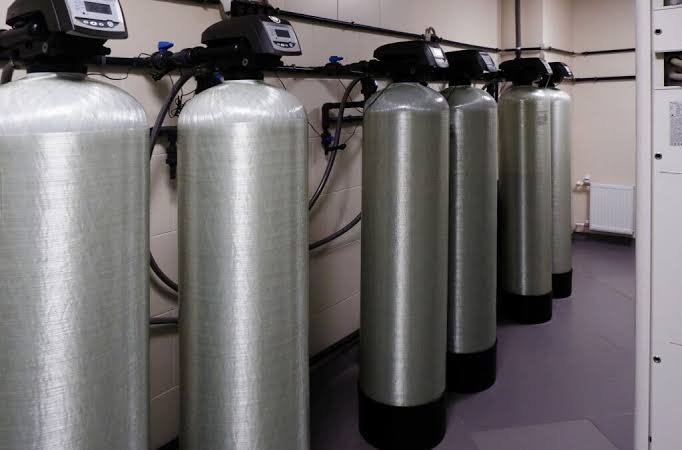
Among the available treatment technologies, salt-based water softeners remain a common choice for households dealing with significant hardness. These systems use resin beads that attract calcium and magnesium ions. As hard water passes through the resin, the minerals are exchanged for sodium or potassium ions.
The result is softened water that behaves differently during everyday activities. Soap and detergents generally work more effectively, and mineral deposits are less likely to form in appliances and plumbing.
These systems do require maintenance, though. Salt needs replenishing, the resin bed must remain in good condition, and the system may use water during its regeneration cycle. Installation requirements, drainage, and water consumption are worth considering before making a purchase.
For households with consistently hard water, the benefits may outweigh these responsibilities, particularly when the system is sized correctly.
Choosing a System Based on Household Water Usage
A softener should fit the household, not simply the plumbing space available. A family of five with multiple bathrooms will likely use considerably more water than a couple living in a smaller apartment. System capacity matters because it determines how effectively the unit can handle daily demand between regeneration cycles.
Water hardness is another important factor. A system designed for moderately hard water may not perform as expected when mineral concentrations are much higher. That’s why water testing and basic calculations are useful before choosing equipment.
When comparing water softener options for homeowners, look beyond the initial price. Consider operating costs, warranty coverage, installation expenses, maintenance requirements, and the availability of replacement parts. A cheaper unit isn’t always the better long-term investment.
Installation and Maintenance Shouldn’t Be Overlooked
Some softeners are designed for straightforward installation, while others require professional plumbing work. If the system connects to the main water line, correct installation is especially important to avoid leaks, pressure problems, or inconvenient placement.
Maintenance is generally manageable. Salt-based systems need occasional salt checks, cleaning when necessary, and periodic inspection of their controls and connections. Following the manufacturer’s recommended maintenance schedule can help extend the equipment’s life.
It’s also worth asking whether the system includes a bypass valve. This allows you to temporarily direct water around the softener during maintenance without shutting down the entire household supply.
Making a Smarter Long-Term Decision
The best water softener isn’t necessarily the most expensive or feature-packed model. It’s the one that addresses your actual water quality concerns without adding unnecessary complexity to your routine.
Start with a water test, understand your household consumption, and compare technologies based on what they can genuinely deliver. If hard water has been making cleaning frustrating or contributing to appliance maintenance, a well-chosen system may offer noticeable improvements.
Water is something we use constantly, often without thinking about it. Getting its quality right can make a surprising difference, and sometimes a small, practical improvement at home is the one you appreciate every single day.