
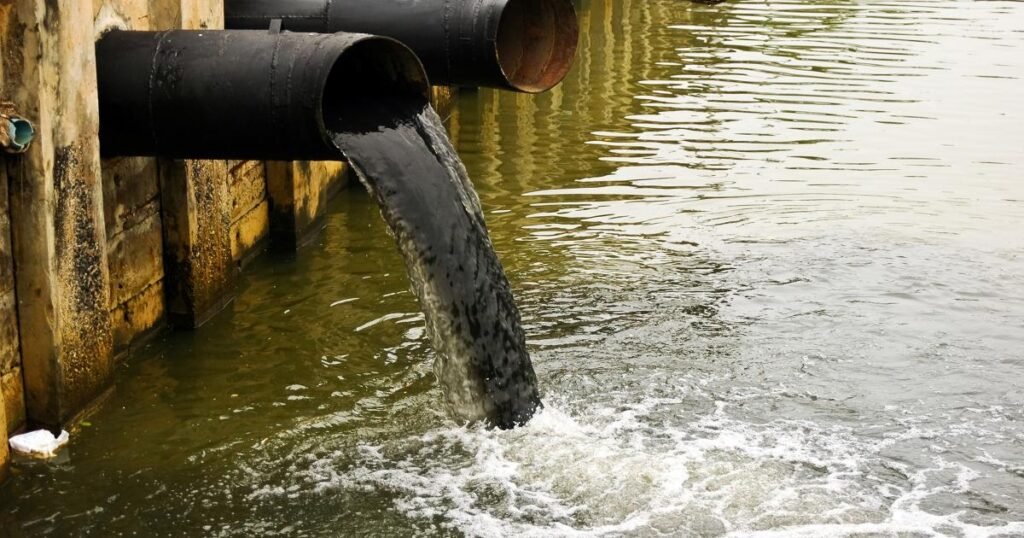
Water is easy to take for granted. We turn on the kitchen faucet, fill a glass, start the washing machine, or step into the shower without giving much thought to what is moving through the pipes. But when water begins to smell unusual, leave stains, taste unpleasant, or damage fixtures, its importance becomes impossible to ignore.
Improving household water quality starts with understanding the conditions at the property. There is no single treatment system that works equally well for every home. The right choice depends on the source of the water, the problems affecting it, and the way the household uses water each day. A little investigation upfront can save money, reduce frustration, and lead to a more reliable long-term solution.
Start by Identifying Your Water Source
The first thing to consider is the water source. Most homes receive water from either a municipal supply or a private well, and each option can present different treatment needs.
Municipal water is generally treated and monitored according to public regulations. Even so, it may contain chlorine, minerals, sediment from aging pipes, or other substances that affect taste and appearance. The condition of the water can also change as it travels from the treatment facility through the distribution network and into a property.
Private well water has its own set of considerations. Groundwater passes through soil and rock, picking up minerals and, in some cases, contaminants from nearby land use, septic systems, flooding, or damaged well components. Unlike public systems, private wells usually place more responsibility on the homeowner to arrange testing and maintenance.
Knowing where the water comes from helps determine which tests are useful and which treatment technologies may be appropriate.
Look Beyond Appearance and Taste
Clear water is not automatically problem-free, and water with an unusual taste is not necessarily unsafe. Some contaminants have no visible signs, while harmless minerals can create noticeable odors or staining.
For this reason, homeowners should avoid choosing a treatment system based only on what the water looks like. A proper water analysis can identify characteristics such as hardness, pH, iron, manganese, bacteria, chlorine, sediment, and other potential concerns.
Testing is particularly important when moving into a new property, after flooding, following plumbing or well repairs, or when water quality suddenly changes. The results provide a useful starting point for choosing equipment that addresses a real issue instead of an assumed one.
Consider How Your Household Uses Water
Water treatment decisions should also reflect household usage. A small apartment, a busy family home, and a commercial property may have very different demands.
A family with several bathrooms and high daily water consumption may need a system with greater flow capacity than a smaller household. If multiple showers, appliances, and faucets operate at the same time, an undersized system may struggle to maintain pressure or deliver consistent treatment.
Usage patterns also influence the type of system required. Drinking and cooking water may need more specialized treatment than water used for toilets or outdoor irrigation. Some homeowners choose a whole-home system for general water improvement and add a reverse osmosis unit at the kitchen sink for drinking water.
Commercial properties must consider even more factors. Restaurants, hotels, offices, and healthcare facilities may depend on water for cleaning, food preparation, laundry, equipment operation, or customer service. Their treatment systems need to support both water quality and daily operations.
Match the Treatment to the Problem
Different water concerns require different solutions. Understanding the basic purpose of each technology can make the selection process much easier.
- Sediment filters help capture particles such as sand, silt, rust, and dirt.
- Activated carbon filters are often used to reduce chlorine taste, odors, and certain organic compounds.
- Water softeners reduce hardness minerals, helping control scale on fixtures and appliances.
- Reverse osmosis systems are commonly used for drinking water and can reduce many dissolved substances.
- Ultraviolet systems may be used to inactivate microorganisms, particularly in some private well applications.
- Iron and sulfur treatment systems address specific mineral or odor-related concerns.
- Specialized filtration units are designed for contaminants that require targeted removal methods.
The important point is that these systems are not interchangeable. A water softener will not solve every taste issue, and a carbon filter is not designed to remove all dissolved minerals. The right solution is the one that matches the water test results and the property’s needs.
Understanding Quality Concerns Before Buying
Homeowners often begin researching treatment equipment after noticing specific quality concerns. These may include white scale on faucets, cloudy glasses, a chlorine smell, metallic-tasting water, low water pressure, or recurring stains in sinks and toilets.
Each symptom can have more than one possible cause. For instance, orange staining may be linked to iron, but the treatment needed depends on the form and concentration of that iron. A rotten-egg odor may involve hydrogen sulfide, but it can also be associated with plumbing or drain issues.
This is why a professional evaluation can be valuable. Instead of treating symptoms blindly, a water specialist can connect the test results with the visible problems and recommend an appropriate treatment sequence.
In some cases, the best answer may be a combination of systems. A property might need sediment filtration before a UV unit, or carbon filtration alongside a softener. A layered approach can be effective when each stage has a clearly defined purpose.
Don’t Ignore Flow Rate and Installation Requirements
Water treatment equipment must be sized correctly. Flow rate, water pressure, pipe size, household demand, and available installation space all affect system performance.
A system that is too small may not treat water effectively during periods of high demand. One that is too large may cost more than necessary and require additional space or maintenance. Professional sizing helps ensure the equipment works properly without creating avoidable complications.
Homeowners should also ask whether the system needs electricity, drainage, a storage tank, or special plumbing connections. These details can affect the total installation cost and should be considered before making a purchase.
Maintenance Is Part of the Investment
Every water treatment system needs some level of maintenance. Filters require replacement, softeners may need salt or servicing, UV lamps need periodic changes, and reverse osmosis membranes eventually lose effectiveness.
Neglecting maintenance can reduce water quality and shorten the life of the equipment. A clogged filter may lower pressure, while an overdue UV lamp may not provide the expected level of disinfection. Regular servicing is not simply an optional extra; it is part of keeping the system dependable.
Before choosing a product, ask about replacement schedules, ongoing costs, warranty coverage, and local service availability. A system should be convenient to own, not just attractive on installation day.
Making a Practical, Long-Term Choice
The best water treatment decision begins with information. Understand the water source, test the supply, identify the specific concerns, and consider how the property uses water. From there, compare treatment technologies based on performance, maintenance, cost, and long-term suitability.
There’s no need to choose the most complicated system available. In fact, a simpler setup that addresses the actual problem may be more effective than a collection of unnecessary features.
Better water quality is ultimately about more than equipment. It’s about protecting plumbing, improving everyday comfort, supporting healthy routines, and feeling confident in the water used throughout the property. With careful planning and the right professional guidance, water treatment can become a sensible improvement that delivers value for years to come.